ISSN: 2503-2445
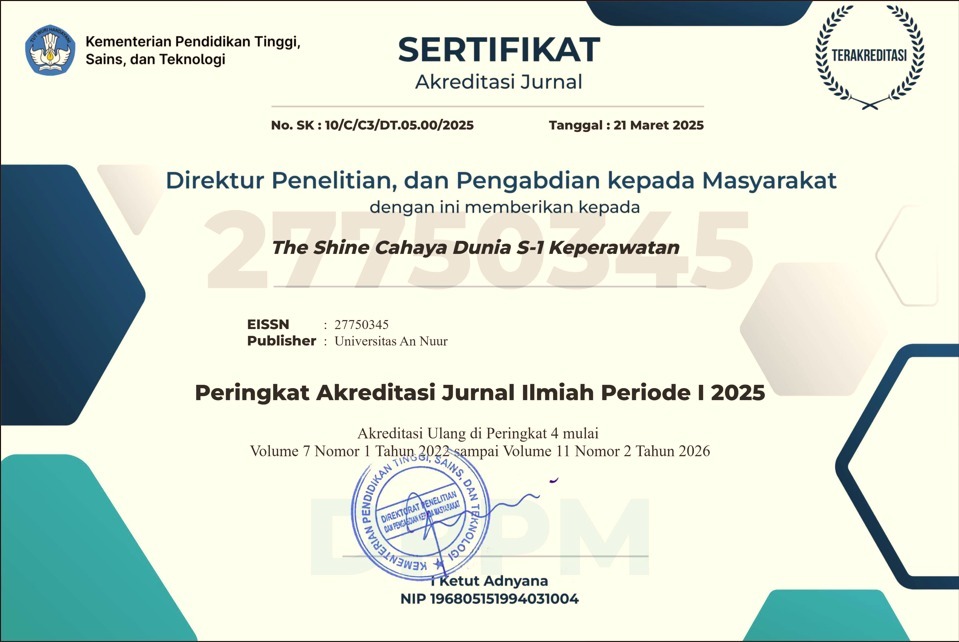
ESSN: 2775-0345

The Management Journal is committed to maintaining academic integrity and ensuring the originality of all manuscripts submitted for publication. Plagiarism, duplicate publication, and other forms of publication misconduct are considered serious ethical violations and will not be tolerated.
Plagiarism is defined as the use of another person's words, ideas, data, findings, or intellectual contributions without proper acknowledgment of the original source. This includes direct copying, inadequate paraphrasing, self-plagiarism, and the unauthorized use of tables, figures, or other materials.
All authors submitting manuscripts to the journal are required to ensure that their work is original, has been properly cited, and has not been published or submitted simultaneously to another journal.
All submitted manuscripts are subject to plagiarism screening by the editorial team before proceeding to the peer-review process. The screening process uses recognized similarity-detection software, such as Turnitin or other equivalent tools, to identify similarities between the submitted manuscript and existing publications or online sources.
The editorial team evaluates the similarity report by considering the percentage of similarity, the sources identified, the context of matching text, and the adequacy of citations and references.
The journal recommends an overall similarity index of no more than 20%, excluding the reference list and properly quoted material where applicable.
However, the similarity percentage alone does not determine whether plagiarism has occurred. The editorial team retains the authority to evaluate each manuscript individually. A manuscript with a low similarity score may still be rejected if substantial unattributed copying is identified.
Based on the screening results, the editorial team may take the following actions:
Accept for further evaluation: Manuscripts that demonstrate sufficient originality and appropriate citation practices may proceed to peer review.
Request revision: Manuscripts containing correctable citation deficiencies or excessive textual similarity may be returned to the authors for revision.
Reject the manuscript: Manuscripts containing substantial plagiarism, duplicate publication, or serious ethical violations may be rejected.
Further investigation: Suspected serious misconduct may be investigated in accordance with the journal's publication ethics procedures and relevant COPE guidance.
Authors are responsible for ensuring that their manuscripts are original and that all sources are properly acknowledged. Authors must also obtain permission for copyrighted materials when required and disclose any relevant overlap with their previously published work.
The editorial team is responsible for conducting plagiarism screening fairly and consistently, maintaining the confidentiality of submitted manuscripts, and making decisions based on academic integrity and the severity of any identified concerns.
If plagiarism is identified after publication, the journal may conduct an investigation and take appropriate corrective action, including issuing a correction or retracting the article when justified.
This policy is intended to uphold the principles of academic integrity, transparency, and responsible scholarly publishing. The journal follows relevant publication ethics recommendations, including guidance from the Committee on Publication Ethics (COPE), in handling suspected plagiarism and related publication misconduct.
All authors, editors
ISSN: 2503-2445
ESSN: 2775-0345

ISI: Julia Ejournal Seri Informatikan is licensed under a Creative Commons Attribution-NonCommercial-ShareAlike 4.0 International License.
Editorial Office :
Pusat Penelitian dan Pengabdian kepada Masyarakat
Universitas An Nuur
Jalan Gajah Mada No. 7, Kelurahan Kuripan, Kecamatan Purwodadi, Kabupaten Grobogan, Jawa Tengah 58112